Behind the Interface Layers: How Transaction Ledgers Sync with Loyalty Unlocks Across Portable Sports Forecasts and Automated Table Sessions
Written by Ines Friedrich · Aug 14, 2026
Behind the Interface Layers: How Transaction Ledgers Sync with Loyalty Unlocks Across Portable Sports Forecasts and Automated Table Sessions
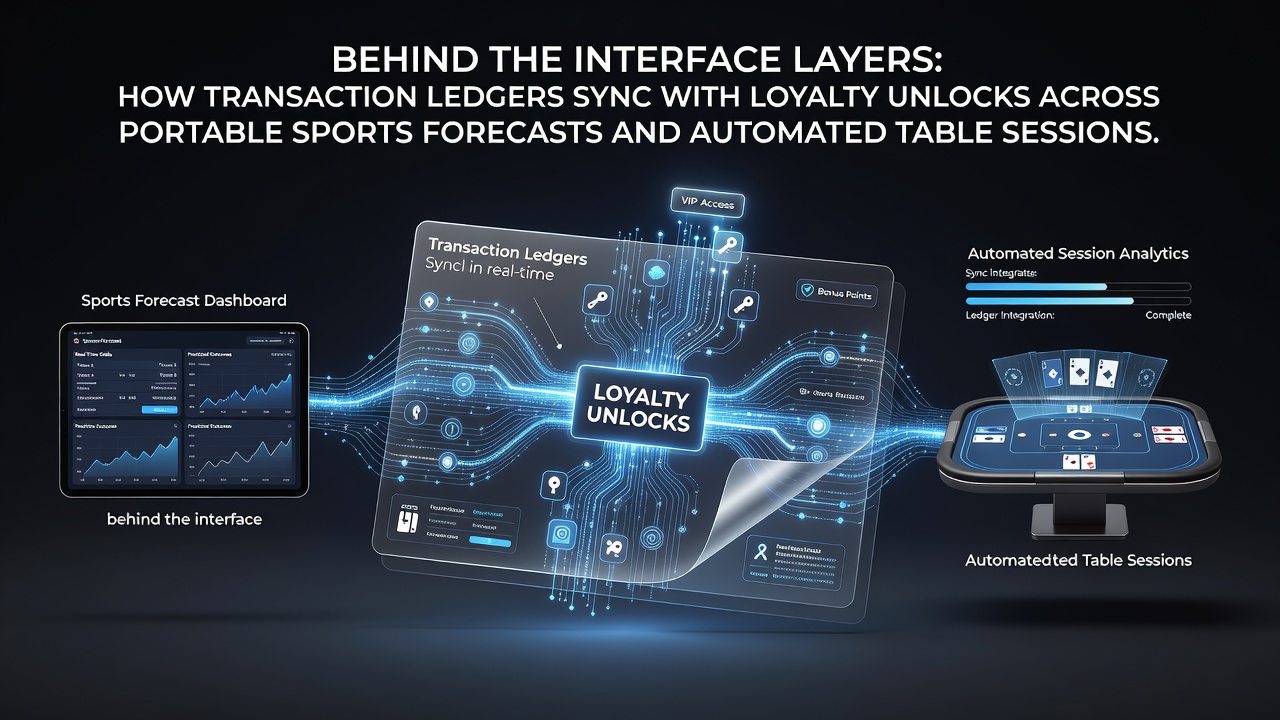
Transaction ledgers in mobile sports forecasting apps and automated table game platforms operate through layered database architectures that record every wager, payout, and status change in real time, and these same records feed directly into loyalty systems that calculate and release rewards without manual intervention. Data flows from user actions on handheld devices into central ledgers maintained by operators, where timestamps, amounts, and game identifiers get logged before any loyalty points or unlocks get triggered.
Ledger Architecture and Data Capture
Portable sports forecast platforms capture bets on events ranging from major league matches to niche competitions, logging each stake into distributed ledger entries that include user ID, event code, odds at placement, and settlement status, while automated table sessions record card draws, spins, or rolls through similar entries that note game type, stake level, and outcome sequence. Researchers at industry technology firms have documented how these entries use standardized API calls to push data from edge servers on user devices back to core databases, ensuring that loyalty calculations begin only after ledger confirmation completes. In August 2026 operators across multiple jurisdictions reported increased adoption of micro-batch processing to handle peak loads during major sporting events and live dealer rushes, reducing latency between transaction recording and point allocation to under three seconds on average.
Loyalty Unlock Triggers and Synchronization Protocols
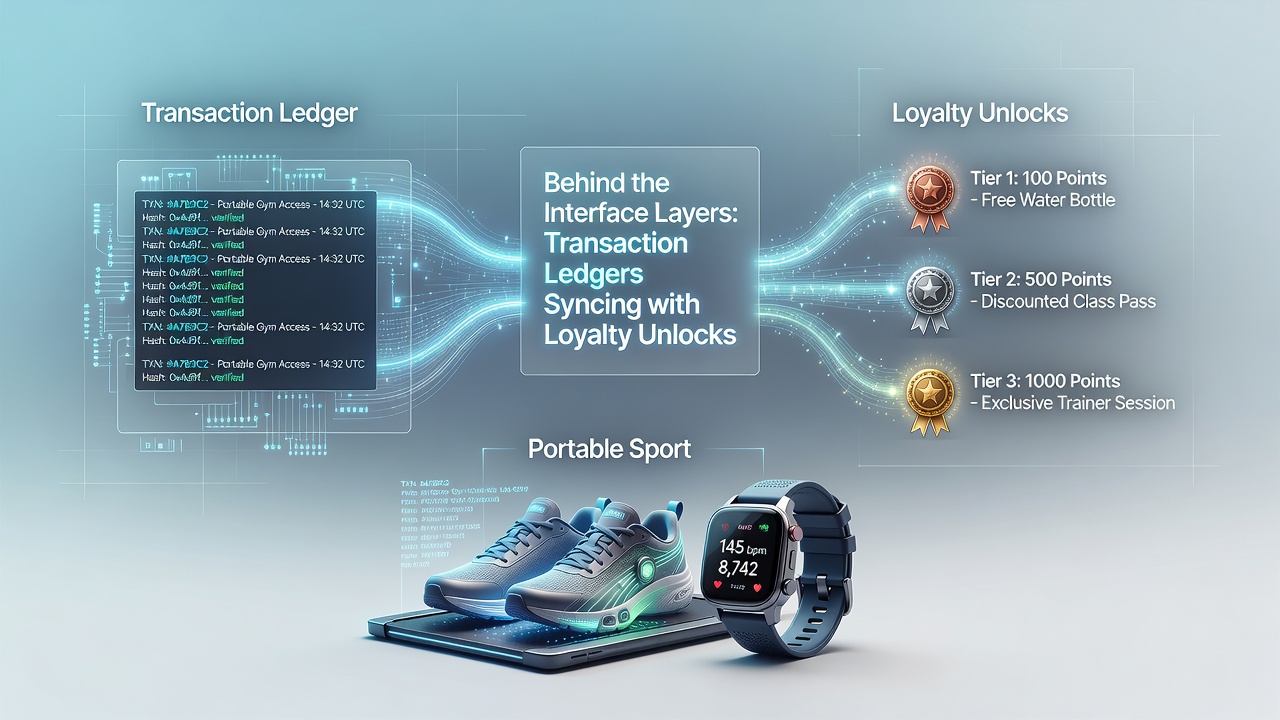
Loyalty unlocks activate when predefined thresholds in the ledger get met, such as accumulated handle, frequency of play, or specific game categories, and synchronization occurs through event-driven listeners that monitor ledger writes rather than polling at fixed intervals. This approach allows a sports bet settlement on a mobile app to instantly credit points that can unlock table game bonuses, while a completed automated blackjack session can feed data that adjusts sports betting multipliers. Observers note that cross-platform matching relies on unified user profiles stored in centralized identity systems, where each transaction carries metadata tags that loyalty engines read to apply rules consistently across sports forecasts and table sessions. One study released by a European gaming technology consortium in early 2026 showed that operators using event-driven sync reduced reward claim times by 40 percent compared with earlier batch methods.
Security and Compliance Layers
Encryption protocols wrap ledger entries during transmission from portable devices, and compliance checks run against regulatory data requirements before loyalty points become visible to users, with automated flags raised for patterns that exceed daily or weekly thresholds set by licensing bodies. Data from the Pennsylvania Gaming Control Board indicates that licensed operators must maintain immutable audit trails linking every transaction to its corresponding loyalty event, a requirement that has driven adoption of timestamped hash chains across both sports and casino modules. Similar frameworks appear in Canadian provincial reports, where synchronization logs help verify that rewards do not exceed contribution caps tied to player deposits.
Cross-Platform Data Flows in Practice
Operators integrate sports forecasting ledgers with table session systems through middleware that normalizes data formats, allowing a football accumulator win logged in one module to update a loyalty tier that applies discounts in an automated roulette session. Case examples from major platform providers show that when a user completes a series of table game rounds meeting volume targets, the system releases a sports bet credit within the same session window, provided the ledger confirms all prior steps. Industry reports from the Victorian Responsible Gambling Foundation highlight that seamless sync reduces player friction and supports responsible play tools that pause rewards when session limits activate. Those who manage these systems emphasize that testing across time zones and device types remains essential to maintain consistency when August 2026 promotional calendars overlap with international sporting fixtures.
Performance Metrics and Scaling Considerations
Throughput measurements from live environments reveal that platforms handling combined sports and table traffic process several thousand ledger writes per minute during peak hours, with loyalty engines scaling horizontally to match. Metrics tracked by technology vendors show that sync failures drop below 0.01 percent when redundant database replicas sit in geographically dispersed data centers. Observers point to the growing use of containerized microservices that isolate ledger writes from reward calculations, allowing independent updates without service interruption. In August 2026 several operators announced infrastructure upgrades timed with new device launches, aiming to keep sync performance stable as 5G coverage expands in additional markets.
Conclusion
Transaction ledgers and loyalty unlock systems continue to converge through standardized data protocols that link mobile sports forecasts with automated table sessions, delivering rewards based on verified activity across both categories. Continued refinement of event-driven synchronization, encryption standards, and cross-jurisdictional compliance tools supports reliable operation as volumes grow. Operators and technology providers maintain focus on these backend connections to ensure that every recorded transaction contributes accurately to user rewards without introducing delays or discrepancies.