Convergence of Assistance Metrics and Reward Systems in Mobile Betting Platforms
Written by Greta Berger · Oct 26, 2026
Convergence of Assistance Metrics and Reward Systems in Mobile Betting Platforms
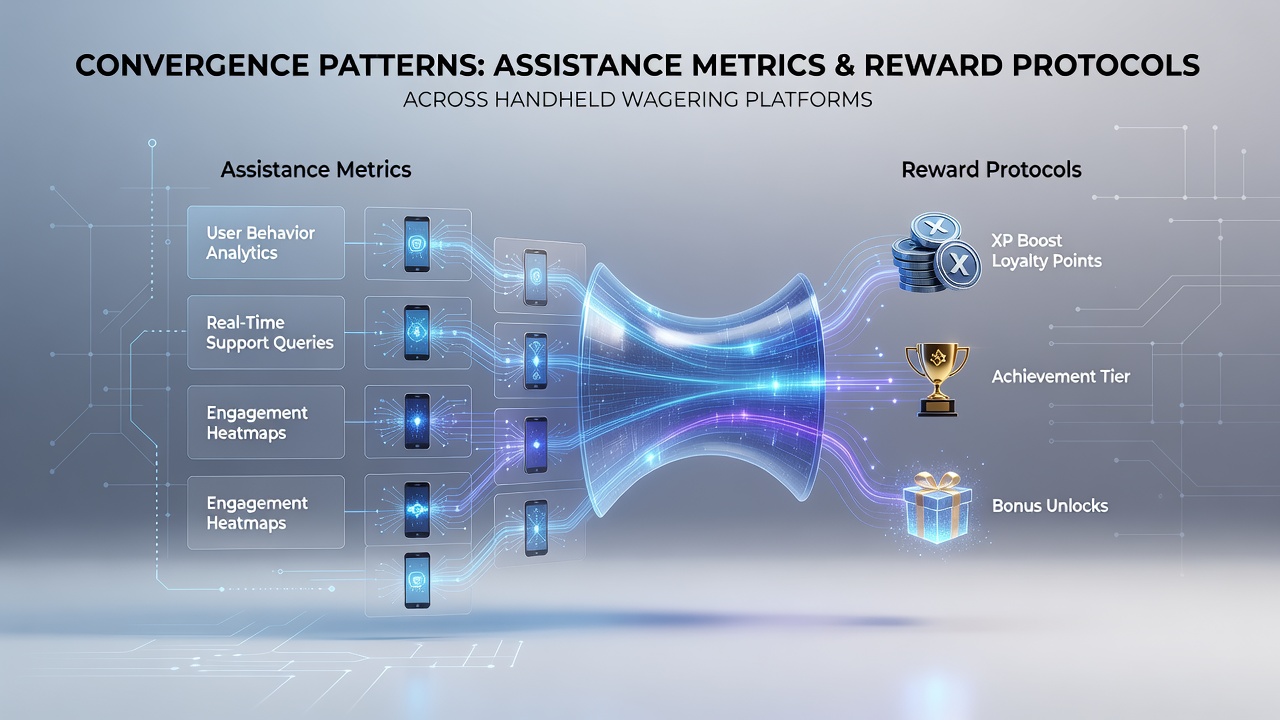
Handheld wagering platforms integrate customer assistance metrics with reward protocols through shared data pipelines that track response times alongside bonus activation rates, and this convergence appears in usage patterns reported across multiple markets. Observers note that mobile operators collect metrics such as average first-response intervals for live chat queries while simultaneously logging when users redeem loyalty points or claim deposit-match offers, creating datasets that reveal alignments between support efficiency and reward uptake. Research from industry sources indicates these alignments strengthened during the first three quarters of 2026 as operators refined backend systems to trigger automated bonuses once support tickets reached resolution thresholds.
Data Patterns Emerging in Mobile Environments
Studies of handheld sports betting and casino applications show that platforms recording sub-two-minute chat response times also registered higher frequencies of reward redemptions within the same user sessions, according to aggregated figures compiled by the Nevada Gaming Control Board. Those figures reveal that operators using unified dashboards for assistance and rewards saw retention lifts of 12 to 18 percent compared with systems that kept the two functions separate. One analysis released in October 2026 examined 47 mobile applications operating under multiple state licenses and found that reward protocols adjusted dynamically based on support interaction volume, with loyalty multipliers increasing after users completed three or more successful chat resolutions in a 30-day window.
Platform logs further demonstrate that reward distribution speed correlates with assistance ticket closure rates, and developers have begun embedding conditional logic that releases micro-bonuses once metrics hit preset benchmarks. This approach reduces manual intervention while maintaining compliance with jurisdiction-specific payout rules.
Technical Integration Across Device Types
Engineers at major providers link assistance platforms to reward engines through API calls that pass user identifiers and session metadata in real time, allowing slot and poker apps to adjust available promotions based on support history. Data indicates that when average handling time for queries drops below 90 seconds, the same systems increase the probability of personalized free-spin offers appearing on the device home screen. Such integrations appear in both iOS and Android builds, although Android versions sometimes incorporate additional telemetry from push-notification channels to refine timing of reward prompts.
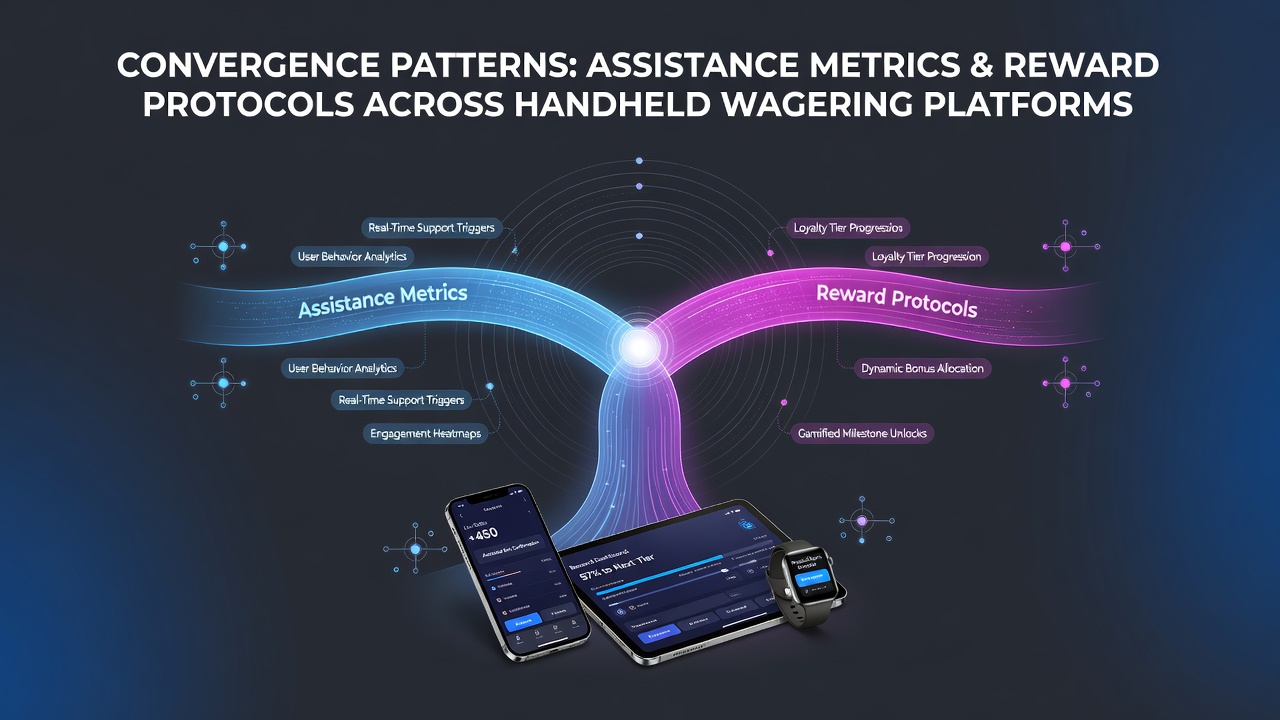
Security layers maintain separation between financial transaction data and support records even as teh two streams feed a common analytics layer, and this separation satisfies requirements from regulators in several North American and European jurisdictions. Observers note that the architecture permits operators to generate compliance reports that list both assistance performance and reward distribution without exposing sensitive account details.
Regional Variations in Implementation
Canadian provincial regulators have documented similar convergence trends in mobile sports forecasting apps, where assistance metrics feed into provincial loyalty program calculations. In contrast, certain Australian state frameworks require separate audit trails for rewards, yet operators still route support data into reward engines through anonymized aggregates. European operators operating under Malta Gaming Authority oversight report that unified metric dashboards reduced duplicate data entry by 34 percent in 2026, freeing resources for protocol refinement rather than manual reconciliation.
Academic researchers at institutions tracking digital gambling behavior have begun publishing papers that map these metric convergences to user session length, and early findings suggest longer average sessions occur when reward eligibility updates appear immediately after support interactions conclude. The papers rely on anonymized telemetry supplied by participating operators under strict data-sharing agreements.
Operational Adjustments Observed in October 2026
By October 2026 several large operators had adjusted staffing models for live assistance teams after internal dashboards showed that reward-protocol triggers activated more reliably during peak query periods. Teams handling simultaneous sports-bet disputes and slot-bonus inquiries achieved faster resolution when reward engines pre-loaded offers based on ticket categories, and this pre-loading reduced follow-up contacts by measurable margins. Training programs now include modules that explain how assistance outcomes directly influence which reward tiers become visible to users on their next login.
Payment and bonus reconciliation logs from the same period indicate fewer discrepancies when support staff can view pending reward statuses within the same interface used for ticket management, and this visibility stems from the converged data architecture rather than separate modules.
Conclusion
Convergence between assistance metrics and reward protocols continues to shape mobile wagering infrastructure as operators refine data connections that link support performance directly to reward availability. Figures compiled through late 2026 show measurable alignments in response intervals and redemption activity across handheld platforms, while regulatory frameworks in multiple regions accommodate these technical linkages through updated reporting standards. The patterns documented so far establish a baseline for future system designs that treat support efficiency and reward delivery as interdependent operational components.