Coordinating Support Requests and Payment Systems in Mobile Betting Apps and Digital Poker Platforms
Written by Ines Friedrich · Aug 12, 2026
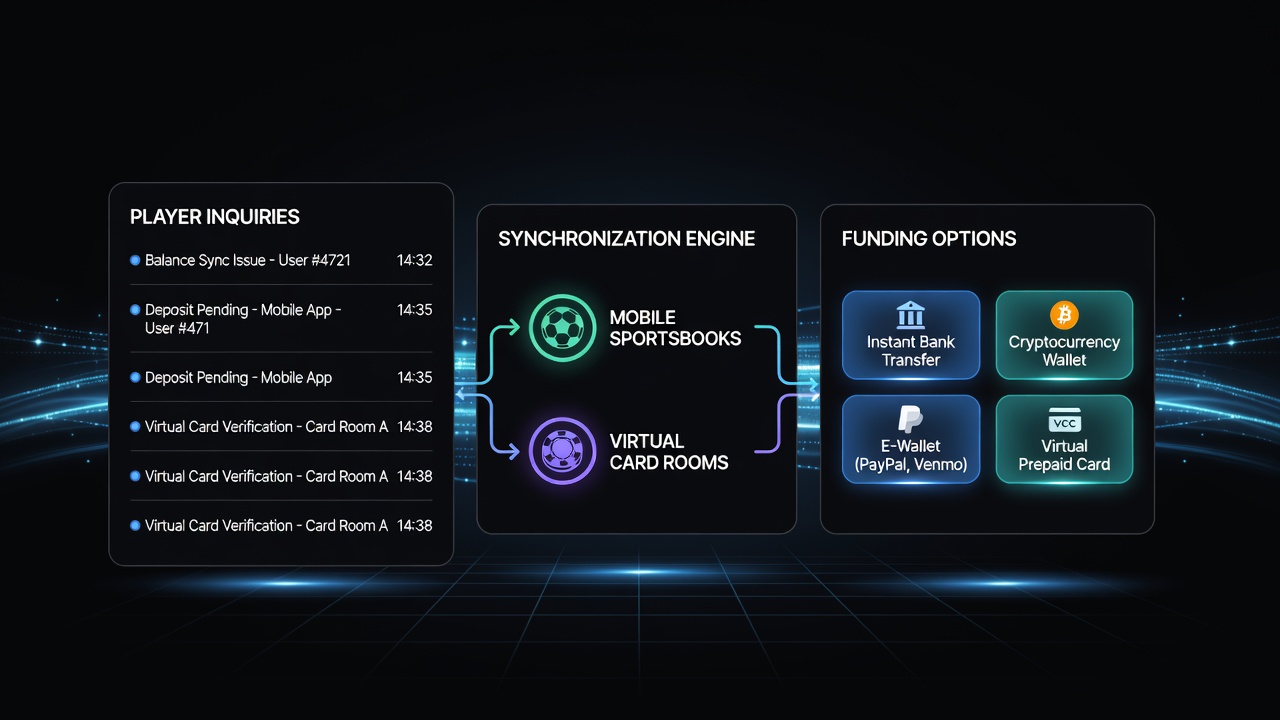
Coordinating Support Requests and Payment Systems in Mobile Betting Apps and Digital Poker Platforms
Operators in the mobile gambling sector now link customer service channels directly to deposit and withdrawal functions so that queries about account balances or transaction delays receive immediate context from the payment backend. This setup allows support agents to view real-time funding data while handling player messages across sportsbooks and virtual card rooms. Data from industry reports shows that such synchronization reduces average resolution times for payment-related issues by connecting chat logs with transaction histories without requiring separate verification steps.
Core Mechanisms Behind Integrated Support and Funding
Systems in major mobile applications pull data from banking processors into support dashboards, which means agents see pending deposits or failed withdrawals alongside the original player inquiry. Software platforms achieve this through API connections that update support tickets whenever a funding action occurs, whether the user is placing a sports wager or contributing to a poker pot. Observers note that platforms operating in multiple states maintain these links to comply with varying rules on transaction reporting, and figures from the American Gaming Association indicate that synchronized systems handle over 60 percent of mobile payment queries without escalation to separate banking teams.
Players often submit questions about processing times or fee structures while using apps on handheld devices, and the integrated tools pull account details automatically. This connection operates across both sports prediction features and card room interfaces, allowing the same backend to serve inquiries from users switching between bet types. Research from university studies on digital transaction systems reveals that real-time data sharing cuts down on duplicate requests by letting agents confirm status updates directly in the support window.
Application in Sportsbooks and Virtual Card Rooms
Mobile sportsbooks use the synchronization to address deposit limits tied to event-specific promotions, where agents confirm funding availability before a player locks in odds. In virtual card rooms the same framework manages buy-in requests and rake calculations, routing any timing questions to agents who already hold the transaction record. Platforms in regions such as parts of Canada and Australia have adopted similar models, with government agencies tracking how these links affect complaint volumes during peak betting periods.
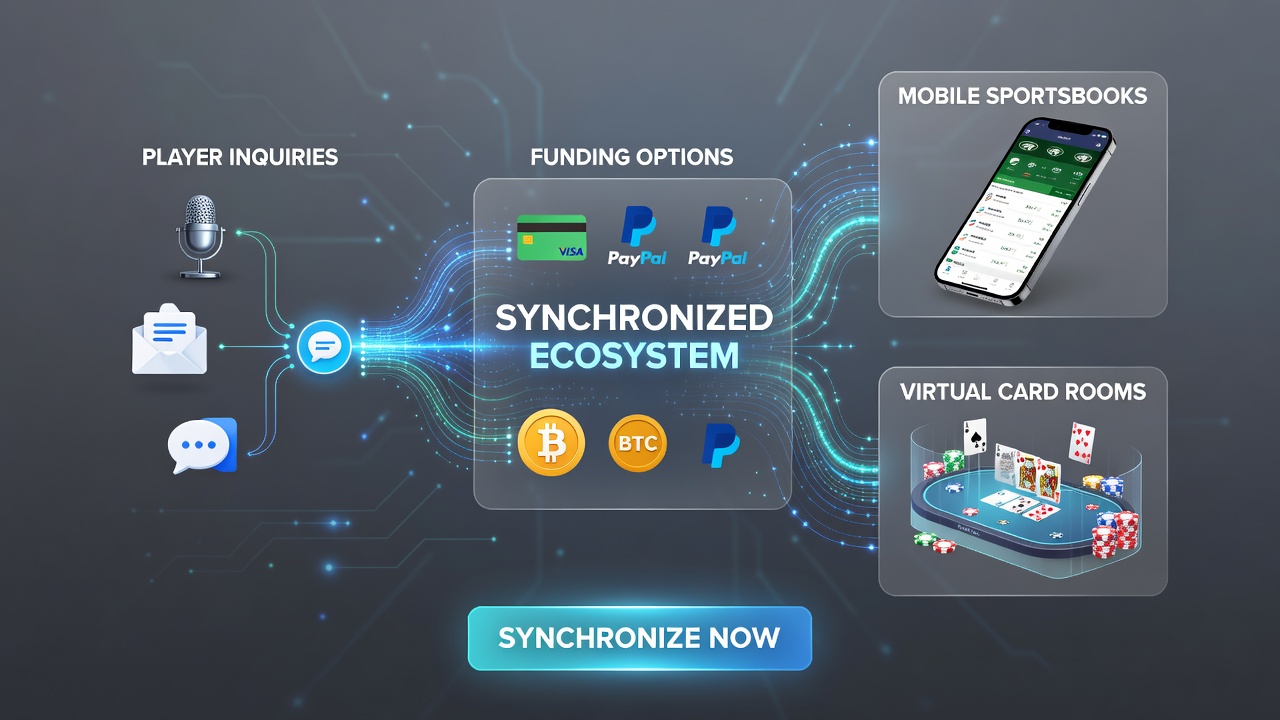
August 2026 brought additional state-level updates in the United States that encouraged operators to document these integrations for audit purposes, particularly where mobile access intersects with interstate compacts. Those updates require platforms to maintain logs that pair each support interaction with its corresponding funding event, which helps regulators review patterns without separate data pulls. Industry organizations report that operators who implemented these paired systems earlier saw smoother compliance checks during the summer months.
Technical and Regulatory Factors
Encryption protocols and secure data pipelines form the foundation for these connections, ensuring that support staff access only the details needed for a specific query. Developers build dashboards that refresh payment status in sync with incoming messages, and this holds true whether the user engages with a sportsbook cashout or a poker tournament entry. European trade groups have documented similar approaches in cross-border platforms, noting that unified systems improve response accuracy when players move between different game categories on the same app.
Challenges arise when network conditions delay updates between the payment processor and the support interface, yet operators counter this with fallback protocols that flag incomplete transactions for priority review. Data indicates that such flags trigger automated alerts to agents, allowing them to address funding holds before users submit follow-up inquiries. Academic papers on mobile commerce systems highlight that these alert mechanisms maintain service levels even during high-volume periods like major sporting events.
Examples from Operational Platforms
One large operator serving multiple North American markets integrated its helpdesk with funding modules in early 2026, resulting in agents resolving deposit questions using live transaction views rather than manual lookups. A separate platform focused on virtual card play applied the same structure to manage multi-table session funding, where support teams confirm seat reservations against available balances. Both cases demonstrate how the synchronization operates without altering core game mechanics or user interfaces.
Regulatory bodies outside the United Kingdom, including those in certain Australian states, have reviewed these paired systems as part of broader payment transparency requirements. Reports from those agencies show reduced average wait times for payment queries when support and funding data streams align. The pattern continues to expand as more platforms adopt the model ahead of anticipated 2027 updates in cross-jurisdictional standards.
Conclusion
Synchronization between player inquiries and funding options continues to shape how mobile sportsbooks and virtual card rooms manage support operations. The connections rely on established data-sharing tools that present transaction details within support workflows, and operators adjust these links to match regional rules. Evidence from multiple sources shows measurable improvements in query handling across both sports and poker environments, with ongoing refinements expected as platforms incorporate new compliance measures through the remainder of 2026.