How Biometric Scans Streamline Access to Blended Reel Sessions, Card Tables, and Event Forecasts on Portable Screens Through Linked Reward Tiers and Transaction Logs
Written by Yara Koch · Sep 14, 2026
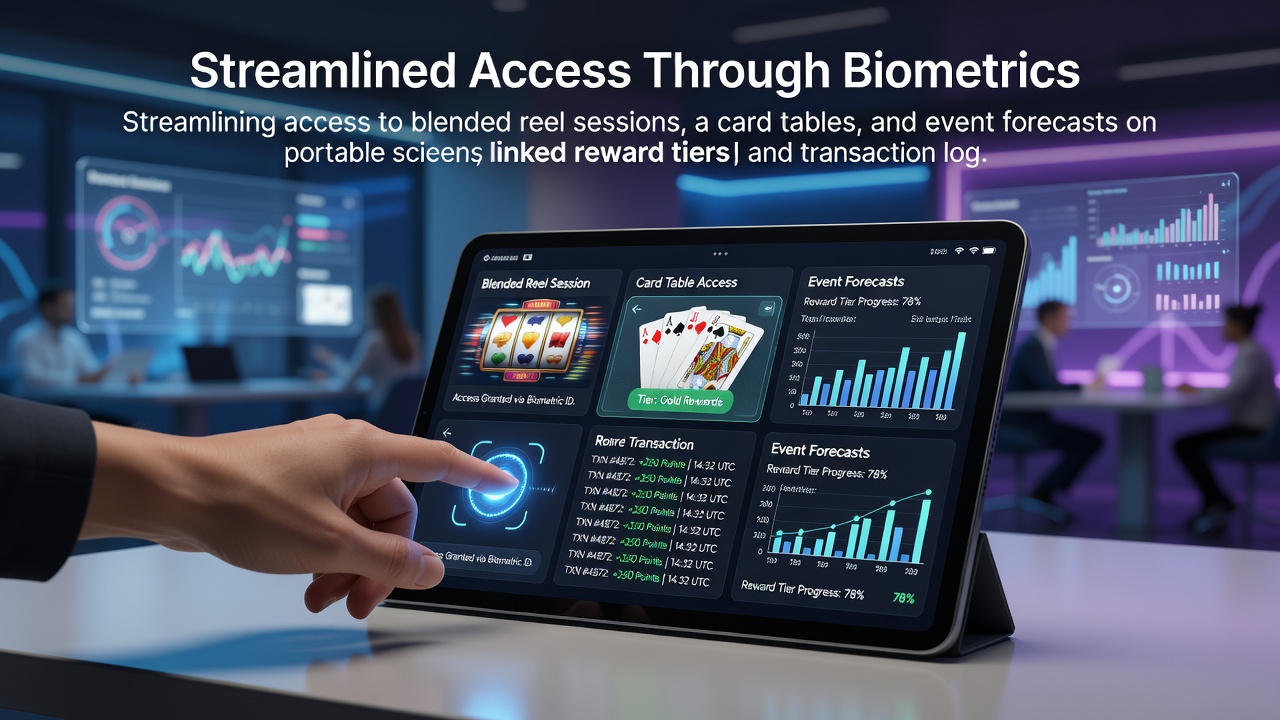
How Biometric Scans Streamline Access to Blended Reel Sessions, Card Tables, and Event Forecasts on Portable Screens Through Linked Reward Tiers and Transaction Logs
Biometric scans have become central to mobile gambling platforms that combine reel sessions, card tables, and event forecasts into single user experiences, and operators integrate these scans with reward tiers plus transaction logs to reduce login friction while maintaining account continuity across game categories. Fingerprint and facial recognition technologies replace repeated password entries, allowing users to move between slot machines, live dealer tables, and sports prediction interfaces without separate authentication steps for each section of an app.
Core Mechanisms of Biometric Integration
Operators embed biometric verification directly into app architecture so that a single scan unlocks access to multiple verticals, and transaction logs update automatically to reflect activity across blended sessions. Data from device sensors feeds into centralized user profiles where reward tiers adjust based on cumulative play metrics from reels, cards, and forecasts. This linkage means that time spent on one game type contributes to tier progression visible in all others, while logs record deposits, withdrawals, and bets in a unified timeline that biometrics re-authenticate during high-value actions.
Studies on mobile authentication patterns indicate that biometric methods cut average session startup times by measurable margins compared with traditional credentials, and platforms apply these efficiencies to mixed-game environments where users switch categories frequently. Transaction logs serve as the connective tissue, storing timestamps and amounts that reward algorithms reference when calculating bonuses or status upgrades, and the same logs trigger re-verification prompts if anomalies appear during cross-category play.
Application Across Game Categories
Reel sessions benefit when biometric entry allows instant resumption of previously saved states, while card tables use the same scan to restore seat reservations or tournament entries without re-entering account details. Event forecasts gain similar continuity because prediction markets pull from the same verified profile, ensuring that ongoing bets remain accessible alongside casino features on the same portable screen. Linked reward tiers track participation across these areas so that a user completing a sports forecast receives tier credit visible when returning to reel play later in the same session.
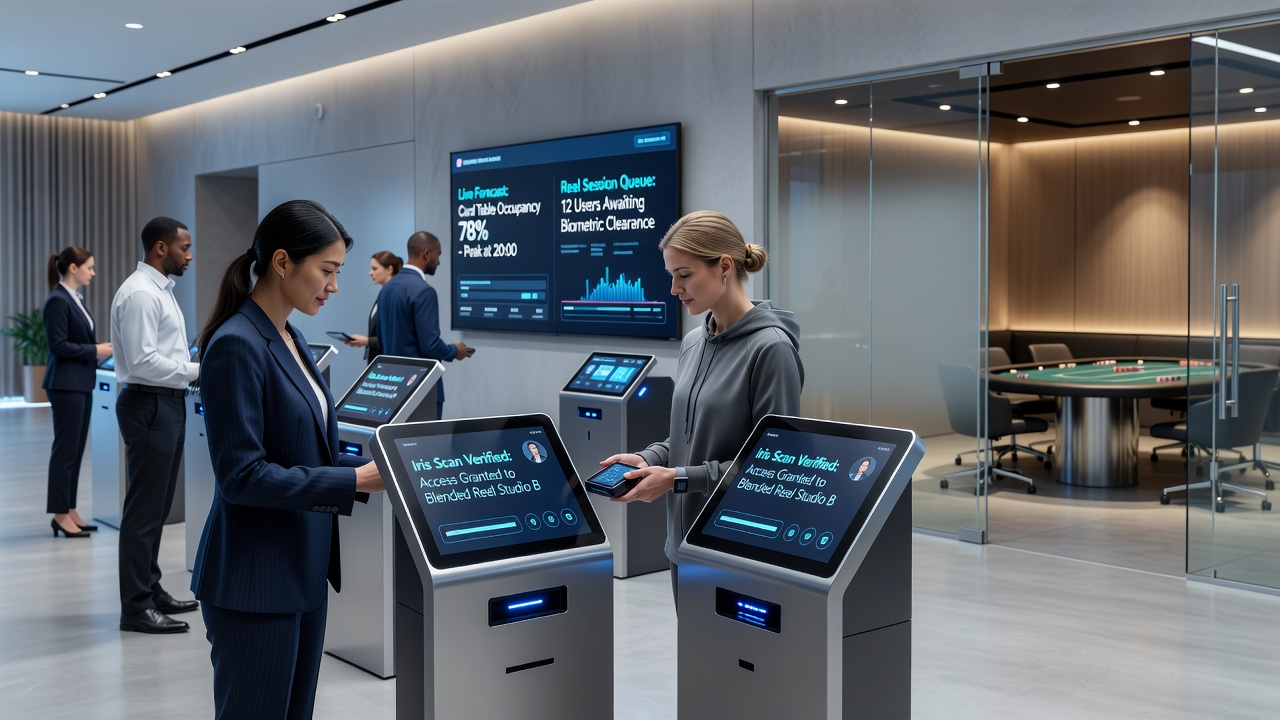
Observers note that transaction logs function as audit trails during these transitions, recording every movement between game types and updating reward balances in real time. Platforms developed in advance of September 2026 incorporated enhanced biometric thresholds that scale with tier levels, requiring additional confirmation only for premium features while keeping standard access fluid. This approach keeps users within one application rather than forcing navigation between separate apps for different game categories.
Security and Compliance Considerations
Regulatory frameworks in multiple jurisdictions require that biometric data remain encrypted and stored separately from transaction records, and operators comply by using tokenized references that link scans to logs without exposing raw biometric templates. The Pennsylvania Gaming Control Board has documented standards for such integrations, emphasizing auditability of reward calculations derived from cross-category activity. Similar guidelines appear in reports from the European Gaming Regulators Association, which track how biometric-linked systems affect responsible gambling tools across member states.
Transaction logs also support dispute resolution because they provide chronological records of access events verified by biometrics, and reward tiers adjust only after confirmed activity sequences. Developers test these flows extensively to ensure that switching from a card table to an event forecast does not interrupt tier progression or log accuracy, and September 2026 updates focused on refining sensor calibration for varied lighting conditions on portable devices.
Technical Implementation Patterns
Many systems route biometric matches through secure enclaves on the device before transmitting confirmation tokens to backend servers that manage reward databases and transaction histories. This architecture supports blended access because the same token grants entry to reel, table, and forecast modules without repeated server calls. Reward tiers operate on aggregated data points pulled from these logs, creating unified progress bars that reflect total engagement rather than isolated game performance.
Engineers design fallback protocols that revert to alternative verification when biometric confidence scores fall below thresholds, yet the primary flow remains scan-driven for efficiency. Data indicates that platforms employing these methods experience higher retention rates across mixed game offerings because users encounter fewer interruptions when moving between categories on a single screen.
Conclusion
Biometric scans paired with reward tiers and transaction logs create streamlined pathways for users engaging with combined reel sessions, card tables, and event forecasts on mobile devices. The technical connections between verification, activity tracking, and tier management continue to evolve as operators refine implementations to meet both user expectations and regulatory requirements across regions.