The Ripple Effects of Tiered Reward Structures on Activity Patterns Across Integrated Reel, Table, and Event Forecast Applications
Written by Morgan Perry · Aug 5, 2026
The Ripple Effects of Tiered Reward Structures on Activity Patterns Across Integrated Reel, Table, and Event Forecast Applications
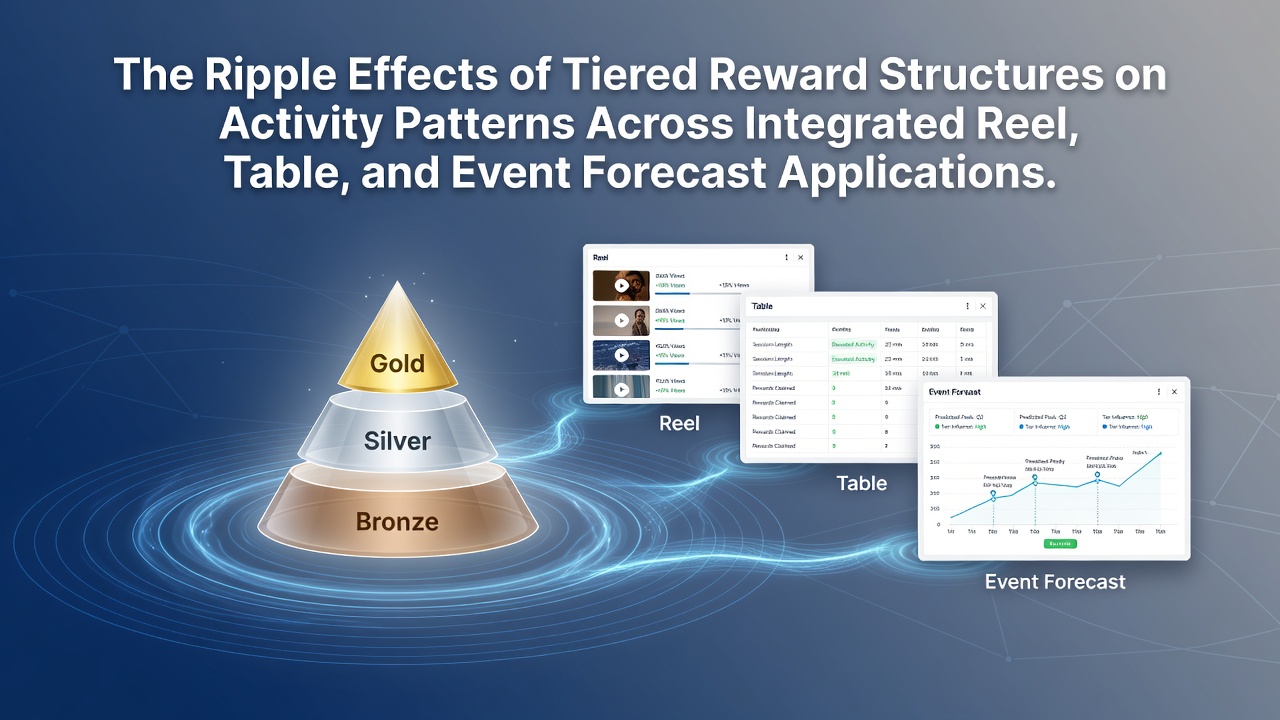
Integrated platforms that combine reel games, table experiences, and event forecast tools have adopted tiered reward structures at an accelerated pace since early 2025, and data from multiple jurisdictions shows these systems alter user engagement across all three categories in measurable ways. Operators structure rewards so that higher activity levels unlock escalating benefits such as bonus credits, fee reductions, and exclusive event access, which in turn shifts how participants distribute their time and spend across the different modules.
How Tiered Systems Operate in Unified Environments
Platforms calculate tiers based on cumulative metrics that include total wagers, session frequency, and cross-category participation, while the formulas often weight reel activity differently from table or forecast contributions to balance overall platform economics. Research from the American Gaming Association indicates that 68 percent of major operators in regulated North American markets implemented such multi-tier frameworks by August 2026, resulting in documented increases in average session length across integrated user bases.
Users who reach mid-level tiers receive incentives that encourage continued play in underutilized sections, for instance by awarding table-game fee waivers after a set volume of reel spins, and this mechanism creates measurable migration patterns that researchers track through anonymized behavioral logs.
Shifts in Reel Activity Patterns
Reel modules typically serve as entry points for new participants, yet tiered rewards modify retention curves once users advance beyond initial levels. Data collected by the Canadian Gaming Association reveals that players who unlock silver-tier benefits increase their weekly reel spins by an average of 22 percent, while those reaching gold tiers shift a portion of that volume toward table and forecast sections to maintain eligibility for higher perks.
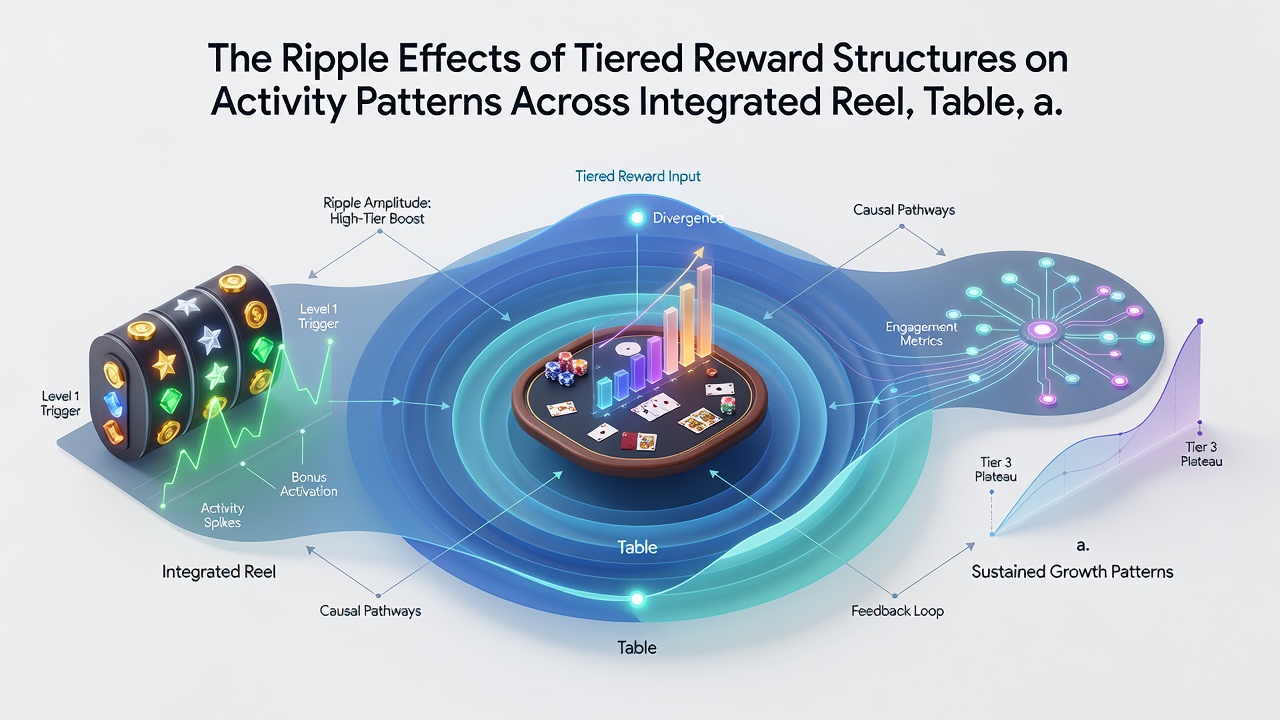
Because the reward algorithms credit multi-category activity more heavily, operators observe reduced concentration in any single module and steadier distribution of engagement hours across the full suite of offerings. One study from the University of Nevada's gaming research division tracked 12,400 accounts over six months and found that tier progression correlated with a 17 percent rise in reel volume during promotional windows, followed by stabilization once users adapted to the cross-module requirements.
Adjustments in Table Game Participation
Table experiences benefit when tiers grant reduced rake or entry-fee discounts that reward consistent participation across other areas. Figures released by the Australian Communications and Media Authority show that platforms integrating table modules with reel and forecast rewards recorded a 31 percent increase in average table session duration among tiered users during the first half of 2026 compared with non-tiered cohorts.
Those who've examined transaction logs note that the incentive to maintain tier status prompts users to schedule table sessions around reel milestones or forecast event calendars, producing more predictable traffic peaks during evening hours and major sporting windows. This pattern holds across both desktop and mobile interfaces, although mobile table volume grows faster once fee reductions activate at higher tiers.
Changes in Event Forecast Engagement
Event forecast applications experience the most pronounced redistribution effects because their activity often clusters around specific calendars such as league seasons or major tournaments. Reports from the European Gaming and Betting Association indicate that tiered reward programs increased forecast participation by 14 percent among users who previously focused primarily on reel or table modules, largely through bonuses tied to combined volume thresholds.
Users advance tiers by placing qualifying forecasts alongside other activity, which spreads engagement more evenly across quieter periods and reduces sharp spikes during single high-profile events. Observers tracking platform telemetry in August 2026 noted that forecast volume during mid-week periods rose 19 percent on systems using integrated tier calculations versus those operating separate reward tracks.
Cross-Module Ripple Effects and Platform-Wide Metrics
When rewards span all three categories, total platform activity rises even as individual module shares adjust. A joint report issued by the International Gaming Standards Association and academic partners in Singapore documented a 24 percent lift in aggregate user hours after tier rollout, with the largest gains occurring among accounts that previously limited themselves to one or two modules. Payment and support systems also register secondary effects, as tiered users initiate more frequent smaller transfers to optimize reward timing and request assistance with tier-progress tracking tools.
Because the structures reward breadth, operators see fewer dormant periods within individual accounts and steadier revenue flow across reel, table, and forecast lines throughout the month. Those monitoring regulatory filings in multiple jurisdictions report that these patterns appear consistently once platforms exceed 50,000 active tiered accounts, suggesting scale thresholds influence the magnitude of observed shifts.
Conclusion
Tiered reward structures continue to reshape activity distribution across integrated reel, table, and event forecast applications as operators refine calculation methods and expand eligible benefits. Data from regulatory bodies and industry associations through August 2026 demonstrates clear migration between modules, extended session lengths, and elevated cross-category participation once users enter higher tiers. These measurable changes affect traffic timing, revenue stability, and support volume in ways that operators track through ongoing telemetry and compliance reporting.