User Preferences in Funding Methods for Blended Athletic and Casino Activities on Mobile Apps
Written by Morgan Perry · Aug 21, 2026
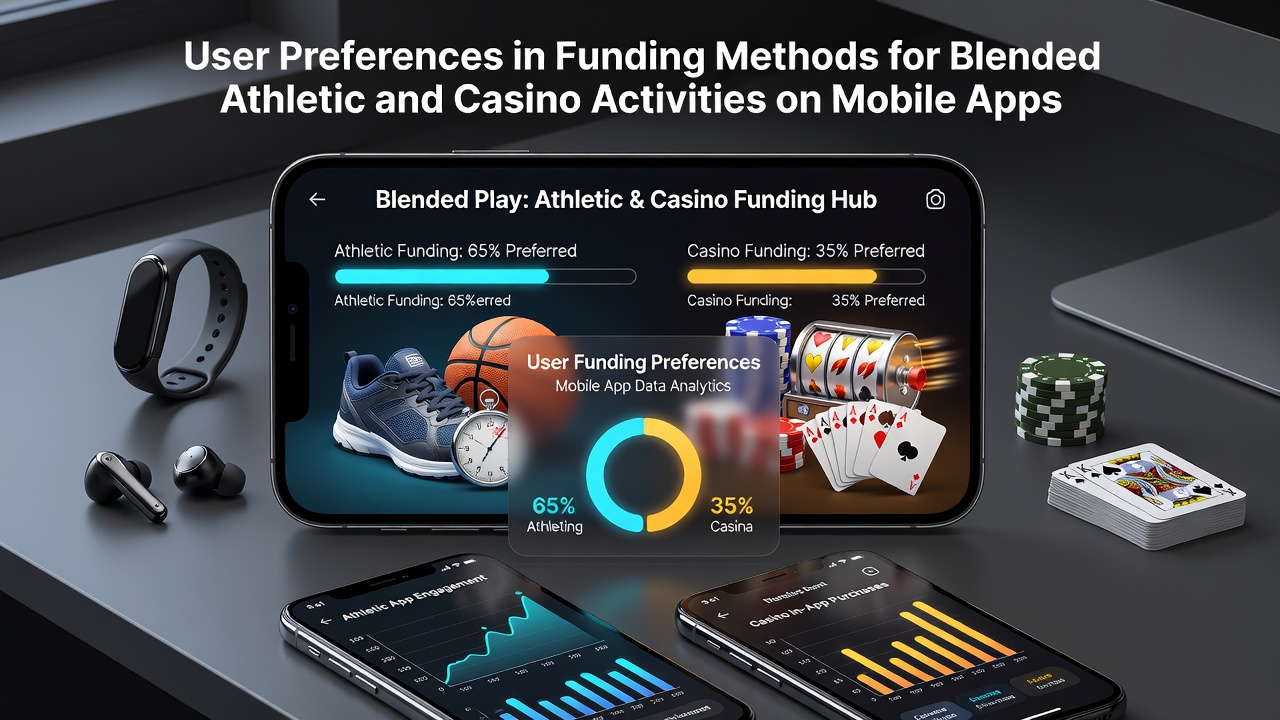
User Preferences in Funding Methods for Blended Athletic and Casino Activities on Mobile Apps
Users accessing mobile platforms that combine athletic event predictions with casino-style games have shown distinct patterns in how they choose to fund accounts, and these selections often depend on speed, security features, and regional availability rather than a single dominant method. Research from industry reports indicates that e-wallets maintain strong adoption rates because they allow quick transfers between sports betting sections and slot or table game areas without repeated verification steps, while credit and debit cards continue to serve as default options for those who prefer familiar banking ties. In August 2026, data collected across multiple jurisdictions revealed that preferences shift when users engage in both activity types within one session, leading platforms to integrate more flexible deposit interfaces that reduce friction during switches between prediction markets and reel-based entertainment.
Payment Method Distribution Across Hybrid Platforms
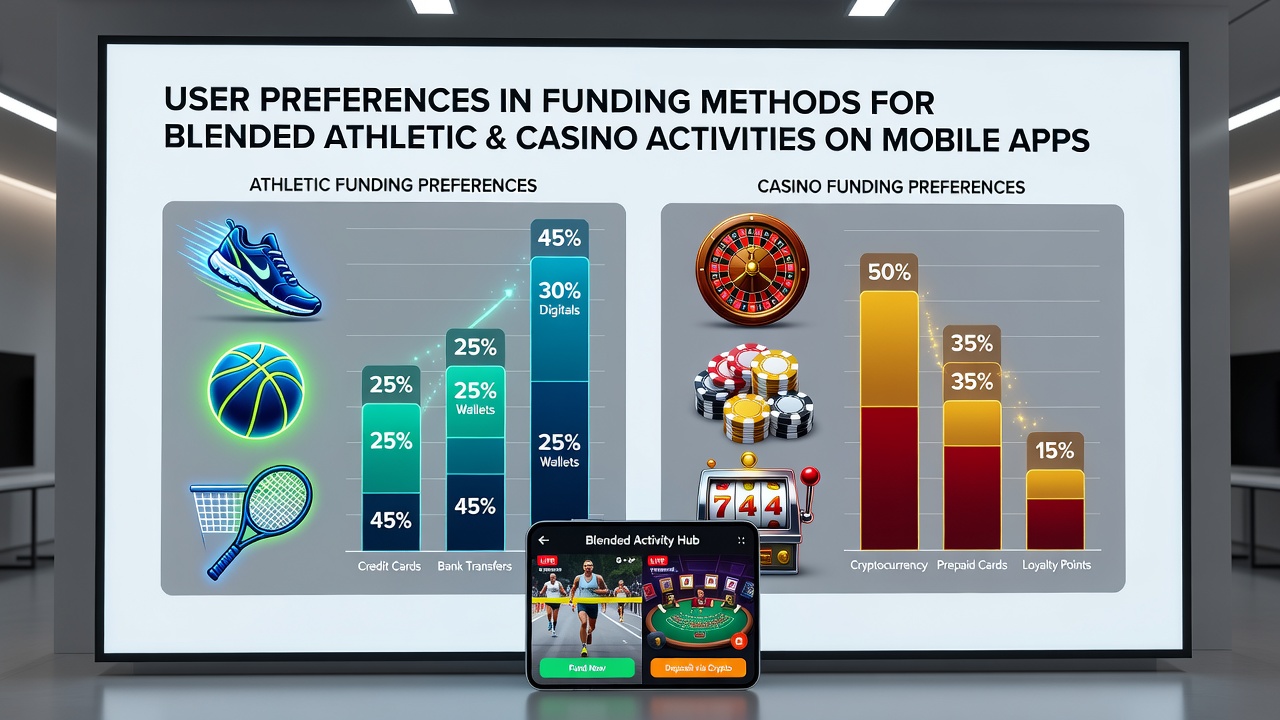
Figures from payment processor analyses show e-wallets accounting for roughly 45 percent of deposits on apps that blend athletic and casino content, followed by card transactions at 35 percent and bank transfers at 12 percent, with cryptocurrency options holding the remaining share in markets where regulations permit them. Observers note that users who alternate between placing wagers on live events and spinning casino reels often select methods that support instant top-ups, since delays can interrupt the flow of multi-game sessions. Those who've studied transaction logs find that debit cards see higher usage among participants who keep separate balances for sports forecasts versus casino play, because many issuers provide built-in spending controls that align with budget tracking features inside the apps.
Factors Influencing Selection on Mobile Devices
Mobile-specific constraints such as screen size, network stability, and biometric authentication play measurable roles in determining which funding route users favor, and studies compiled by research firms highlight that apps offering one-tap confirmation through stored wallet credentials record fewer abandoned deposit attempts. Security layers including tokenization and two-factor prompts receive frequent mentions in user behavior data, particularly when funds move between athletic prediction modules and live dealer tables that require real-time availability. People often find that apps supporting both traditional cards adn digital wallets maintain higher retention because the choice accommodates different comfort levels with data sharing, while cryptocurrency options attract segments seeking lower fees during cross-border transfers common in international tournaments or global casino events.
Regional Variations in Funding Habits
North American markets demonstrate stronger card usage tied to established banking relationships, whereas European and Asian regions show elevated e-wallet adoption linked to local digital payment ecosystems, according to aggregated reports from regulatory bodies such as those in Ontario and New Jersey. New Jersey Division of Gaming Enforcement statistics released in mid-2026 indicated that hybrid apps saw a 22 percent rise in wallet-based deposits compared with the prior year, reflecting user demand for seamless movement between sports and casino wallets. In Australia, industry surveys conducted by academic groups point to bank transfer preference among users who treat athletic and casino activities as distinct budget categories, since these methods often include clearer transaction records for reconciliation purposes.
Emerging Patterns Observed in August 2026
Recent platform telemetry collected during August 2026 tournaments and promotional periods revealed that users engaging in both athletic predictions and casino games within the same hour tend to preload accounts via e-wallets to avoid interruptions, and this behavior correlates with higher session lengths when deposit limits align across game types. Data from mobile analytics providers shows increased testing of instant bank transfer features, especially in regions where open banking frameworks have expanded, allowing direct pulls from checking accounts without leaving the app interface. Those monitoring transaction volumes note that cryptocurrency deposits, though smaller in overall share, spike during major athletic events when users seek privacy or reduced processing costs for larger stakes that also fund casino side activities.
Security and Support Integration Effects
Encryption standards and customer assistance response times influence funding method loyalty, with reports indicating that platforms embedding real-time chat support near deposit screens experience fewer failed transactions regardless of the chosen method. Users who combine sports and casino play report higher satisfaction when apps display clear fee structures and processing timelines upfront, and this transparency appears across multiple payment categories rather than favoring one exclusively. Research compiled by trade organizations further demonstrates that biometric verification tied to specific funding accounts reduces drop-off rates during high-volume periods such as weekend athletic schedules paired with casino promotions.
Conclusion
Patterns in funding preferences for mobile apps that merge athletic and casino activities continue to evolve with technological and regulatory developments, and the data gathered through August 2026 underscores the importance of offering multiple verified options to match varied user needs across regions. Continued monitoring by industry and academic sources will likely track how open banking, digital wallets, and emerging verification tools shape these choices in subsequent periods.