Weather-Driven Variations in Live Streaming Quality for Mobile Sports Prediction Platforms and Their Influence on Table Game Participation Rates
Written by Yara Koch · Nov 9, 2026
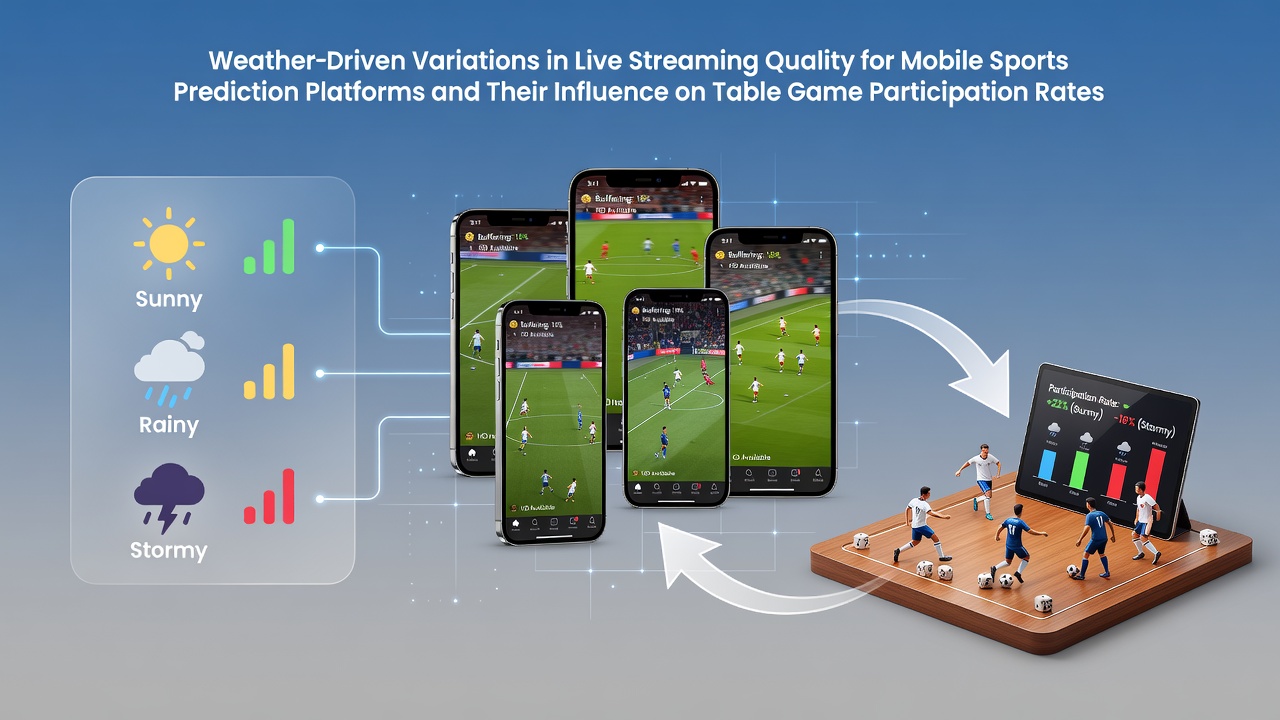
Weather-Driven Variations in Live Streaming Quality for Mobile Sports Prediction Platforms and Their Influence on Table Game Participation Rates
Weather events such as heavy rainfall, thunderstorms, and snowstorms create measurable disruptions in cellular signal strength that directly affect live video streams on mobile sports prediction platforms, and researchers at institutions including the Massachusetts Institute of Technology have documented how these interruptions correlate with changes in user activity across integrated casino offerings. Data from network monitoring services show that precipitation levels above 10 millimeters per hour can reduce 5G throughput by 30 to 50 percent in urban areas, which leads to increased buffering times during live sports broadcasts that form the core of prediction interfaces.
Network Performance Under Weather Stress
Studies compiled by the Federal Communications Commission indicate that atmospheric moisture absorbs and scatters microwave frequencies used in mobile broadband, and operators report higher packet loss rates during prolonged rain events that coincide with major sporting fixtures. Observers note that these conditions extend loading times for real-time odds updates and video feeds, prompting users to seek alternative activities within the same application ecosystem. Platforms that combine sports prediction tools with table game sections record elevated engagement in blackjack and roulette sessions when live stream reliability drops below 85 percent frame delivery success.
Patterns in User Migration During Weather Events
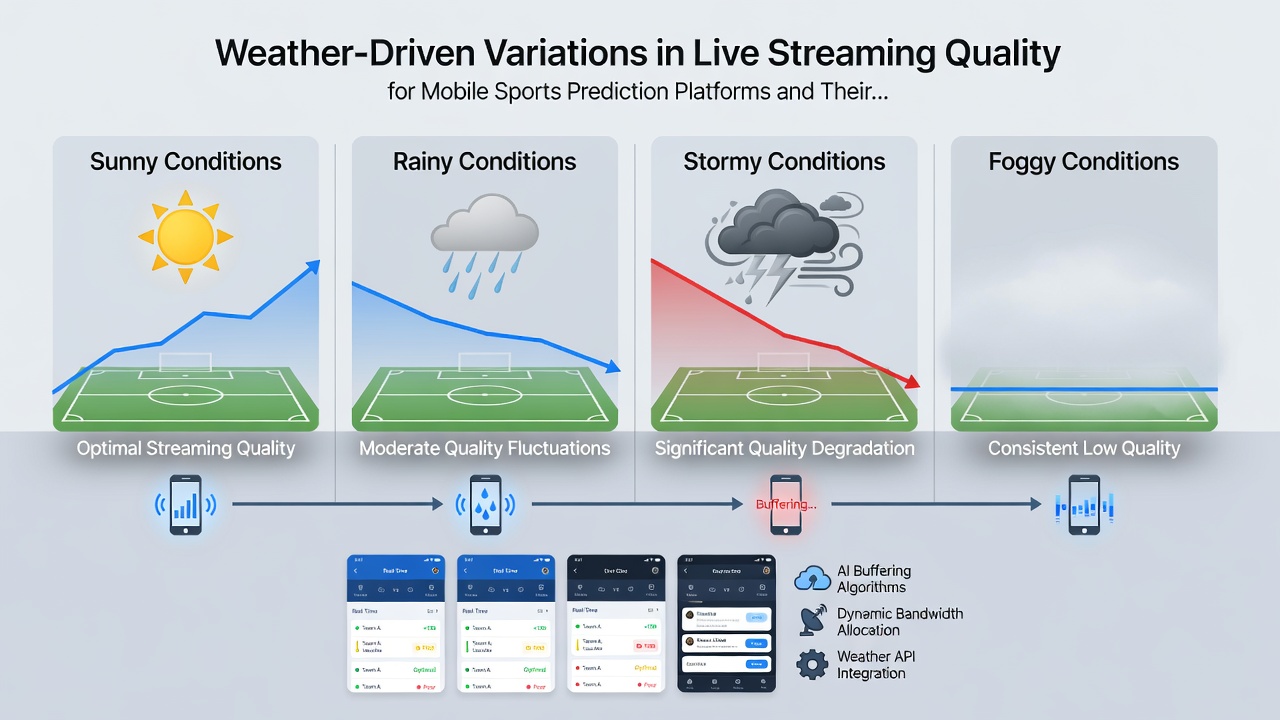
Analysis of anonymized session data from multiple operators reveals that sessions interrupted by streaming delays shift toward table game interfaces at rates 18 to 25 percent higher than during clear-weather periods, and this pattern holds across both Android and iOS environments. The transition occurs because table games typically operate on lighter data protocols that maintain responsiveness even when bandwidth contracts. Industry reports from the Canadian Gaming Association highlight similar trends in provinces where mobile sports applications also host live dealer tables, with participation metrics rising during winter storm seasons that affect prairie and coastal regions alike.
Geographic and Seasonal Influences Observed in 2026
November 2026 brought early winter systems across the northern United States and parts of Europe that coincided with ongoing football and basketball seasons, and telemetry from regional carriers showed repeated drops in live stream quality that aligned with documented increases in table game volume. European regulatory filings from the Malta Gaming Authority reference comparable data sets where Mediterranean storms produced short-term spikes in non-streaming game categories. Academic work published through the University of Melbourne's network research group further demonstrates that tropical cyclone approaches in Australia generate analogous behavior shifts among users of combined prediction and casino applications.
Technical Factors Linking Stream Quality to Game Selection
Packet prioritization algorithms employed by mobile carriers tend to de-emphasize entertainment traffic during congestion caused by weather, which extends latency for high-definition sports feeds while leaving lower-bandwidth table game clients relatively unaffected. Engineers at equipment vendors have measured these differentials and confirmed that users encountering repeated rebuffering events navigate away from prediction modules toward sections requiring minimal continuous data exchange. Aggregated figures from application analytics firms indicate that average session duration in table game areas extends by 12 minutes when sports stream interruptions exceed two minutes per hour.
Conclusion
Weather remains a consistent external variable that modulates both the technical delivery of live content on mobile sports prediction platforms and the distribution of user time across table game features, with quantitative records from multiple continents establishing clear correlations between signal degradation and participation adjustments. Continued monitoring by telecommunications agencies and gaming oversight bodies will refine understanding of these interactions as 5G and subsequent network generations face evolving atmospheric conditions.